
One of the questions I get asked a lot is how to improve your actual writing. The answer is many-parted, and none of them are nice. I wish there were a filter you could put on a word processor to make the words prettier, but there isn’t. It comes down to hard work, vulnerability, and listening. You’re going to swallow a lot of your pride.
I will write other posts in future with more ideas, but the first and best solution is to put your work up for critique. Think of it as a soft launch or a Hollywood premier- you give your work to total strangers and see what they think.
Yes, I said strangers. Let me tell you why.
Your family loves you, your friends love you, that coworker who knows you’re writing a book and is super supportive loves you. These people know that this is important to you and they want you to be successful. But most of all, they love you. The last thing they want to do is hurt your feelings or make you doubt yourself. So they tell you everything they love about it, glowing praise on every page. But where they struggle is in realising that that is the opposite of helping.
Goodreads and Amazon readers don’t love you. They don’t know you. They don’t care about your feelings. They paid money for a book, and by god, it had better be best thing they ever paid $8 for or they are going to leave a 1-star review to warn other potential victims.
I have no doubt that your book is good, that you poured years of your heart and soul into it, that you stayed up all night editing it. I also have no doubt that it is far from perfect. Nothing is. My books certainly aren’t. So, there is always more to do, to tweak, to polish and perfect.
The easiest way to find critiquers is to join an online community, like Scribophile. You can also do it the old-fashioned way, like asking friends for recommendations of who they know who might be interested in reading. The farther away from you, the better.
I know it’s scary to ask strangers to rip apart your baby, and it’s hard to trust. It was hard for me, too. But hear me out.
First of all, on critique sites, you partner with people, often in critique groups, or in a one-to-one exchange. People there are far more interested in getting their own work perfected than stealing your imperfect manuscript. Also, working with these people this closely forms bonds, and friendships develop. These are different relationships than regular friends because they began with honest feedback and a genuine desire to help you fix your work. Some of my closest friends I met on Scribophile and while we chat about everything under the sun now, they’re still among the first people I ask for advice, and they don’t hold back.
If you’re still not sure you can trust a stranger, you can do a few things.
- the best thing to do is have a conversation with the person who will be looking at your piece. Try to get a feel for them and be honest about what you’re looking for.
- Draw up a contract. Get some kind of understanding in writing. Sometimes, just putting a signature down is enough to keep people honest and make you feel safer.
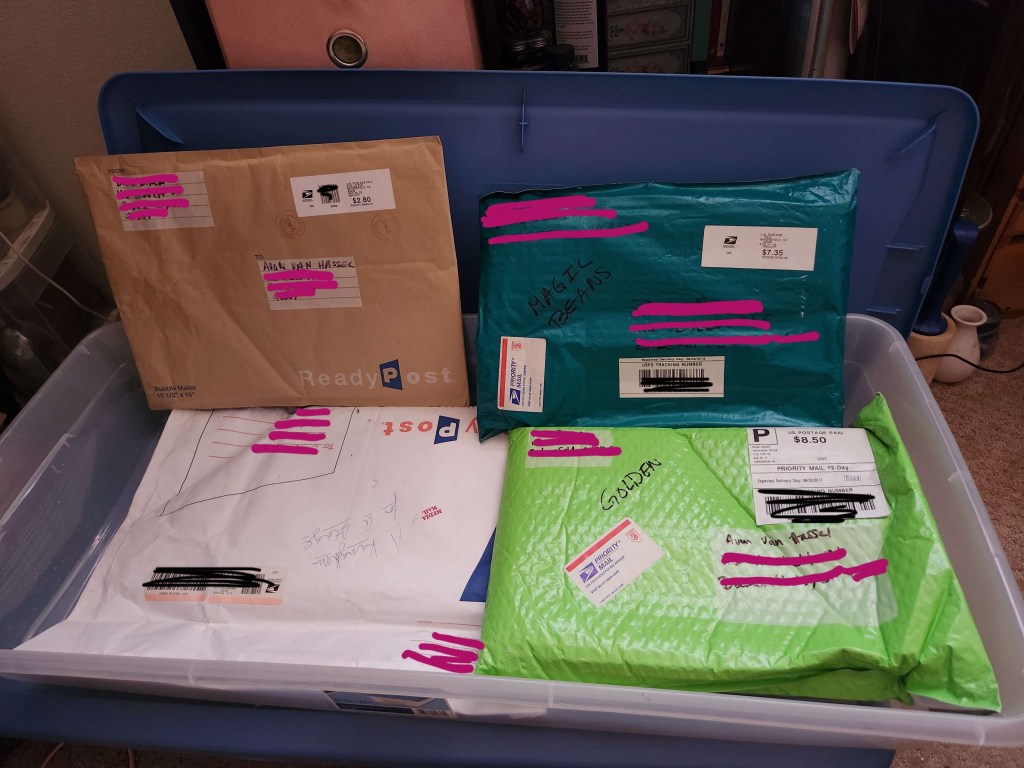
- Lastly, (and you should do this anyway) print off a copy of your full manuscript, put it in an envelope, and mail it to yourself. NEVER OPEN IT. This is called a Poor Man’s Copyright, or a Postal Service Copyright. I don’t know if this is legally binding in other countries, but it is in the US. Essentially, you’ve made the Postal Service a witness; that way, if someone tries to publish your work as their own, you have proof that you wrote it first and the stamp will back you up. But it’s void if you open it, so put it somewhere safe and leave it alone.
Now that you’re protected, how do you even go about asking? Well, the sites obviously are designed around getting matched up, so they make it easy to find people, but you still have to start the conversation. Often, a user can just browse work up for critique, at which point, you’ll find someone after they’ve already started critiquing. In this instance, you start by thanking them for their time and consideration, then follow up with questions and clarifications about their feedback. If you like the way they critique or their ideas, you can ask if they wouldn’t mind looking at other pieces (chapters, other projects, etc).
If you want to start fresh directly, the best way is to start with an email. Thank the person for offering to help and thank them in advance for their time. Lay out the concerns you know you have about your manuscript (don’t look at me like that, you know the areas you’re not super confident about), the kind of feedback you’re looking for, and any questions or advice you’d like.
For instance, I know I struggle with pacing and also setting description. Often, I ask for critiques very early on in the drafting process when the prose is sloppy and the spelling is atrocious, and that’s because I want feedback on big picture ideas before I flesh out the details: does the plot work, are the characters believable, is it FUN to read? I don’t need line edits or ideas about tighten up the scenes. Lastly, maybe there’s one plot hole I just can’t get around, or I’m not sure I handled a certain issue well, and I’m open to suggestions.
If you’d like a separate blog post on types of critique and what to look for in a critiquer, let me know.
So once you have the feedback, it’s time to use it. Always thank the person for their time, even if you don’t like what they said, be gracious. Critiquing is hard, physically, mentally, and emotionally.
Now, here’s the hard part. Ideally, you shouldn’t start making changes until you have at least three critiques and the reason why is numbers. If one person thinks you should change something, that’s an opinion. Just the opinion of one reader. But if multiple people think you should change, that’s a consensus. Always carefully consider these the strongest. If you’re willing to fight for something- for reasons other than because you like it or you had fun writing it- then you should keep it. You know your story better than anyone. But be sure you know why you’re keeping something your readers want you to change, and make sure it’s a good reason.
On the other hand, if only one person hates something, and they make a good enough point, go ahead and change. Go with your gut. But this is the time to take a step back and be objective. Once you have an audience, the story is no longer your baby, you have to remove emotion and sentimentality and see it as a product you plan to sell. That doesn’t mean to sell out completely and go fully commercial, but the point of market research is to see what your readers want so you can give it to them. It’s still your story, but here is where you make it marketable.
It’s going to be hard, you’re going to have to swallow a lot of pride and likely delete a lot of your favourite parts, but that’s the life. You can do it! And you’ll be so proud of it when it’s done.